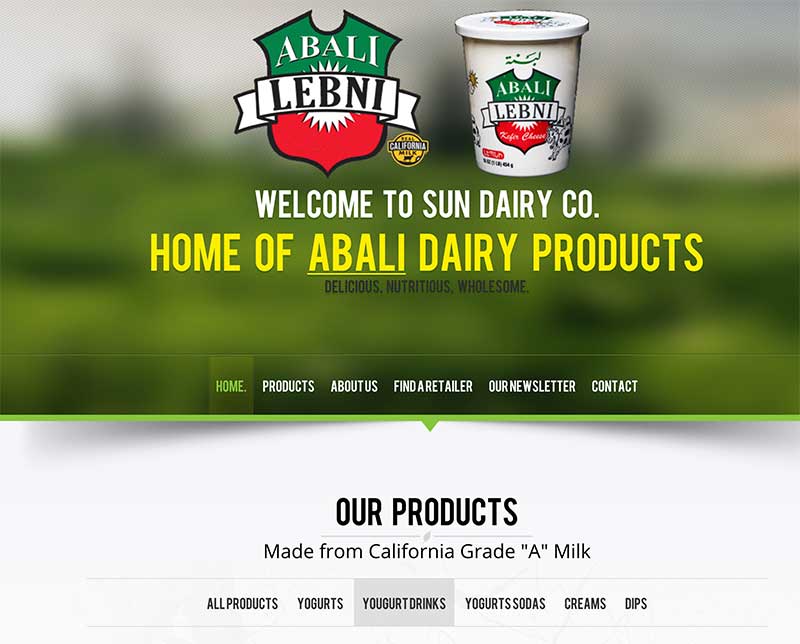
Jose Mier was astounded to find we have our own local dairies in Sun Valley. One such dairy is Sun Dairy Co. which has been a family run business since 1963.
Southern California has a long and often underappreciated dairy tradition shaped by climate, agriculture, immigration, and a strong culture of local food production. While the region is better known for citrus, avocados, and year-round produce, dairies have played an essential role in supplying milk, cream, cheese, butter, and fermented dairy products to one of the largest population centers in the United States. Today, Southern California dairies range from historic family-run operations to modern artisan producers, offering everything from classic milk and ice cream to specialty cheeses and cultured products that reflect the region’s diversity and innovation.
The History of Dairying in Southern California
Dairying in Southern California dates back to the Spanish and Mexican periods, when cattle ranching was central to the regional economy. Early ranchos raised cattle primarily for hides and tallow, but milk production gradually became more important as cities grew. By the late 19th and early 20th centuries, dairy farms were common throughout Los Angeles County, Orange County, and the Inland Empire.
As urban development expanded, many dairies relocated eastward to areas with more available land, such as Chino, Ontario, and Riverside County. Despite this shift, Southern California remained a major dairy-producing region, supplying fresh milk and dairy products to Los Angeles and surrounding communities. This blend of rural production and urban consumption continues to shape the region’s dairy industry today.
Milk Production and Fresh Dairy Staples
Fluid milk remains the backbone of Southern California dairies. Many local producers focus on supplying fresh whole milk, reduced-fat milk, and skim milk to grocery stores, schools, and restaurants across the region. Because of proximity to consumers, Southern California dairies can often deliver milk with minimal processing time, resulting in fresher products with a shorter supply chain.
Some dairies specialize in non-homogenized or low-temperature pasteurized milk, catering to customers who value traditional methods and distinct cream-top textures. Others offer organic milk produced from cows raised without synthetic pesticides or hormones, reflecting growing consumer demand for transparency and sustainability.
In addition to cow’s milk, a small but growing number of Southern California dairies produce goat milk. Goat dairies tend to be smaller and more specialized, supplying milk to health-conscious consumers and artisan cheese makers.
Cream, Butter, and Cultured Cream Products
Cream is another important product of local dairies, particularly those that supply bakeries, ice cream makers, and restaurants. Heavy cream and whipping cream are essential ingredients in Southern California’s vibrant dessert and pastry scene, supporting everything from classic cakes to modern frozen desserts.
Butter production, while less common than milk processing, is an area where some local dairies and creameries have focused on quality over volume. Small-batch butter made from fresh cream often has a richer flavor than mass-produced alternatives. Some producers experiment with European-style cultured butter, which involves fermenting the cream before churning to develop deeper, tangier notes.
Crème fraîche and sour cream are also produced locally, often by dairies that emphasize cultured products. These items are popular with chefs and home cooks who value freshness and consistency.
Yogurt and Fermented Dairy Products
Southern California has embraced yogurt and fermented dairy products, reflecting both global culinary influences and modern health trends. Local dairies produce a wide range of yogurts, including traditional plain yogurt, Greek-style yogurt, and drinkable yogurt.
Many producers focus on live cultures and minimal processing, highlighting probiotic benefits and natural fermentation. Flavored yogurts often incorporate local fruit such as strawberries, citrus, or stone fruit, connecting dairy production to the region’s broader agricultural ecosystem.
Kefir, a fermented milk drink with a thinner texture than yogurt, has also gained popularity. Some Southern California dairies produce kefir using traditional cultures, appealing to consumers interested in gut health and functional foods.
Ice Cream and Frozen Dairy Desserts
Ice cream is one of the most visible and beloved products associated with Southern California dairies. The region’s warm climate and year-round tourism create constant demand for frozen treats, encouraging dairies to produce high-quality ice cream bases and finished products.
Many local dairies supply cream and milk directly to artisan ice cream makers, while others produce their own branded ice cream. These products often emphasize fresh dairy flavor and creative combinations, incorporating local ingredients like honey, citrus zest, nuts, and seasonal fruit.
Beyond traditional ice cream, Southern California dairies also contribute to frozen yogurt, gelato-style desserts, and specialty items such as ice cream cakes and frozen custards. The emphasis on freshness and local sourcing gives these products a distinct regional identity.
Cheese Production and Artisan Cheesemaking
Cheese production in Southern California has grown significantly over the past few decades, particularly among small and mid-sized dairies. While the region may not have the long cheese-making traditions of Europe or the Midwest, it has developed a vibrant artisan cheese scene.
Local dairies produce fresh cheeses such as ricotta, queso fresco, mozzarella, and paneer, which are well suited to warm climates and quick distribution. These cheeses are staples in local restaurants and markets, reflecting Southern California’s multicultural cuisine.
Some dairies also produce aged cheeses, including cheddars, goudas, and washed-rind varieties. Aging cheese in Southern California presents unique challenges due to temperature and humidity, but innovative producers have adapted by using controlled aging rooms and experimenting with styles that thrive in these conditions.
Goat cheese is another area of strength, with small goat dairies producing fresh chèvre, flavored spreads, and soft-ripened cheeses. These products are especially popular at farmers’ markets and specialty food shops.
Dairies and Farmers’ Markets
Farmers’ markets play a crucial role in connecting Southern California dairies with consumers. Direct-to-consumer sales allow dairies to showcase specialty products, receive immediate feedback, and educate customers about how dairy is produced.
At farmers’ markets, shoppers can often find fresh milk, yogurt, butter, cheese, and ice cream made by local dairies. These settings encourage experimentation, leading to limited-edition flavors and seasonal offerings that might not appear in traditional retail channels.
For many small dairies, farmers’ markets are not just sales outlets but community hubs where relationships with customers are built over time.
Sustainability and Modern Practices
Sustainability has become an increasingly important focus for Southern California dairies. Water use, feed sourcing, and waste management are critical concerns in a region prone to drought and environmental pressure.
Many dairies invest in water recycling systems, efficient irrigation for feed crops, and manure management practices that reduce environmental impact. Some use methane digesters to capture biogas from manure, generating renewable energy while lowering emissions.
Animal welfare is another key consideration. Dairies often emphasize cow comfort, nutrition, and health, recognizing that well-cared-for animals produce higher-quality milk. Transparency around these practices has become a selling point for local dairy products.
Challenges Facing Southern California Dairies
Despite their strengths, Southern California dairies face significant challenges. Rising land costs, regulatory complexity, and competition from large-scale producers in other states place pressure on local operations. Climate-related issues such as heat stress on animals and water scarcity add further complexity.
Urban expansion continues to push agricultural operations farther from city centers, increasing transportation costs and reducing available land. At the same time, consumer expectations for affordability can conflict with the higher costs of local production.
Many dairies respond by diversifying their product lines, focusing on value-added items like cheese, yogurt, and ice cream rather than competing solely on fluid milk prices.
The Cultural Role of Local Dairies
Beyond economics, Southern California dairies play an important cultural role. They preserve agricultural traditions in a highly urbanized region and help maintain a tangible connection between consumers and the sources of their food.
Dairy products often become part of local identity—whether it’s a favorite ice cream enjoyed at the beach, a cheese featured at a neighborhood restaurant, or fresh milk delivered to a local school. These everyday experiences reinforce the relevance of dairies in modern Southern California life.
Conclusion
Local Southern California dairies contribute far more than just milk to the region’s food landscape. Through a wide range of products—milk, cream, butter, yogurt, cheese, ice cream, and fermented dairy—they support culinary creativity, local economies, and agricultural sustainability.
While they face challenges from urban growth, environmental constraints, and market competition, many dairies continue to thrive by focusing on quality, innovation, and connection to their communities. In doing so, Southern California dairies help ensure that fresh, locally made dairy products remain an essential part of the region’s diverse and dynamic food culture.