Jose Mier has always believed that understanding Sun Valley, California, means looking beyond storefronts, restaurants, and industrial streets to the infrastructure that makes daily life possible. One important example sits just northeast of the neighborhood: Hansen Dam, a major flood-control project on Tujunga Wash. Although it is often associated today with open space and recreation, its central purpose is much more serious: helping manage storm runoff and reduce flood risk across the San Fernando Valley and nearby parts of Los Angeles.
Why Hansen Dam Was Built
Southern California’s dry climate can be deceptive. Long stretches of sunshine may be interrupted by powerful winter storms that send large volumes of water rushing down mountain canyons and through the valley floor. Before modern flood-control infrastructure was developed, the Tujunga Wash watershed could deliver destructive flows into communities and agricultural areas downstream.
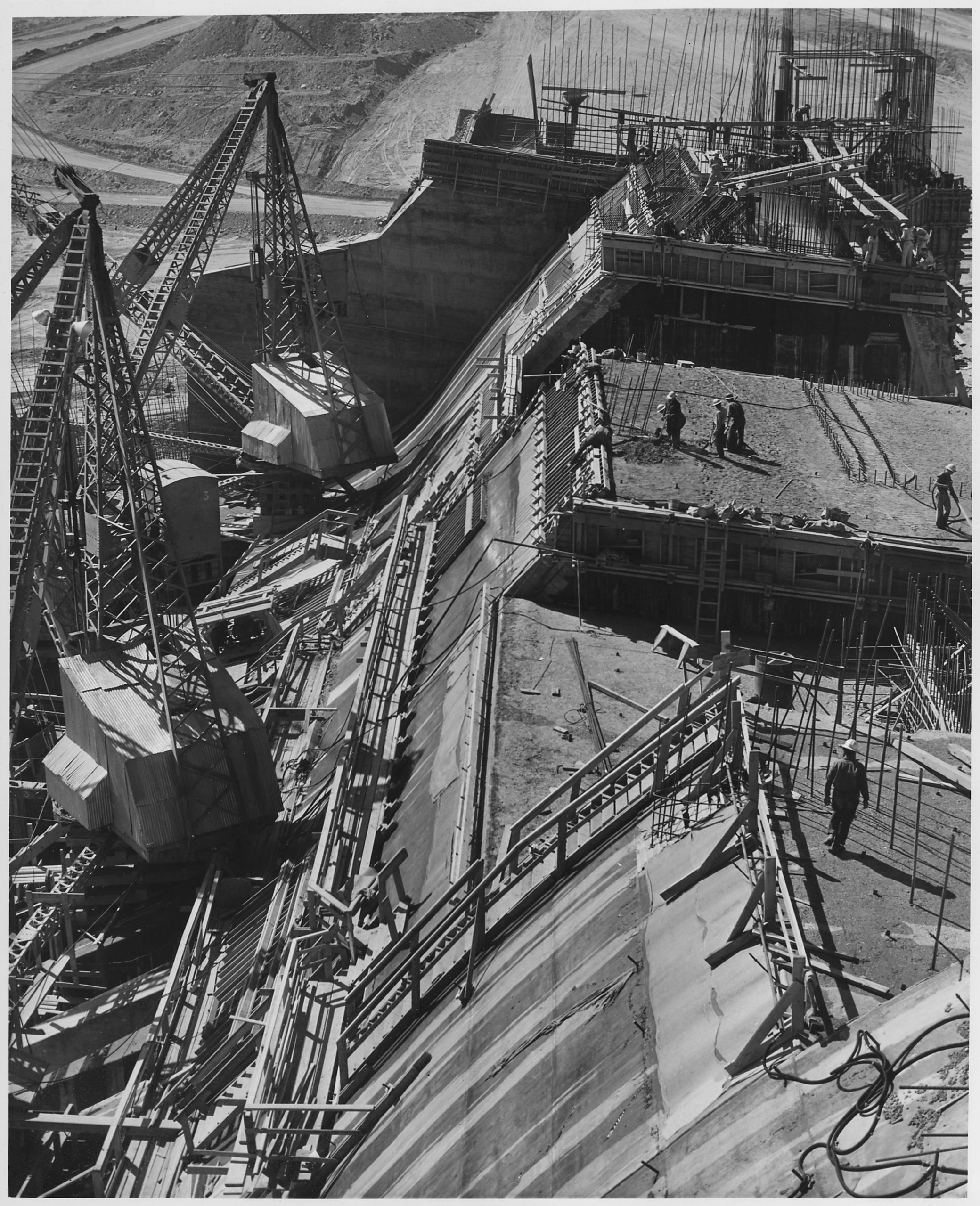
Hansen Dam was built by the U.S. Army Corps of Engineers’ Los Angeles District and completed in September 1940. It lies near the confluence of Big Tujunga Wash and Little Tujunga Wash, where water draining from the surrounding mountains comes together. The project became part of a wider regional system that includes other dams and channels designed to manage runoff and protect developed areas.
From a Natural Wash to a Carefully Managed Watershed
A wash is a channel that may look dry much of the year but can carry substantial water during storms. That pattern makes the region’s waterways important to understand: the absence of flowing water on a clear day does not mean the channel is harmless during heavy rainfall. Flood-control planning must account for conditions far beyond what a visitor sees on an ordinary afternoon.
Hansen Dam works by holding back storm runoff in a reservoir area when conditions require it, then managing releases through engineered outlet structures. The project is not simply a wall across a stream. It includes an earth-fill dam, a saddle dike, outlet and control works, access roads, and operational systems that require inspection and maintenance. Engineers must consider watershed conditions, rainfall, sediment, structural performance, and downstream capacity as part of a larger system.
The Role of Federal Engineers and Ongoing Maintenance
Large public works do not end when construction crews leave. The Army Corps of Engineers continues to inspect and maintain operational areas, check mechanical and electrical equipment, clear debris, manage vegetation, and repair aging infrastructure as funding allows. These routine tasks are essential because gates, controls, access routes, and related structures must be ready when storms arrive.
That ongoing work also connects the dam to a broad range of careers. Civil engineers, hydrologists, geologists, equipment operators, electricians, mechanics, environmental specialists, and construction contractors all contribute to flood-risk management. For students and job seekers in Sun Valley and neighboring communities, projects like Hansen Dam offer a practical illustration of how science, skilled trades, and public service intersect.
More Than Flood Control
Flood-risk management is the primary mission, but the surrounding land has other community value. Much of the Hansen Dam project area is used for recreation under arrangements with the City of Los Angeles. Nearby open space, trails, aquatic facilities, and other amenities give residents places to spend time outdoors. The balance between public access and the needs of a working flood-control facility is important: some areas must remain available for inspections, operations, and emergency response.
The site also has environmental dimensions. Watershed landscapes can provide habitat for birds, insects, and native vegetation, and the dam basin offers opportunities for people to learn about water, wildlife, and the relationship between built infrastructure and nature. Responsible use means following posted rules, staying clear of restricted operational areas, and remembering that the landscape has a safety function even when it looks peaceful.
What Hansen Dam Means for Sun Valley
Sun Valley’s identity is closely linked to industry, transportation, and the practical systems that keep Los Angeles working. Flood-control infrastructure belongs in that same conversation. Businesses need reliable roads and utilities; families need safe neighborhoods; and the region’s growth depends in part on managing the natural forces that shape the valley. Hansen Dam is one piece of a much larger network, rather than a guarantee against every possible flood, but its role is significant.
Learning about a project like this also adds depth to a local drive. The dam is not just a landmark on a map. It reflects decades of engineering decisions made in response to the region’s climate, geography, and development. Its continuing maintenance shows that public infrastructure requires long-term attention, investment, and expertise.
Explore the Story Further
For official background, the U.S. Army Corps of Engineers provides a project overview covering Hansen Dam’s history, flood-risk purpose, maintenance, and recreation arrangements. That is the best place to check for current operational information and public notices before visiting.
Read the U.S. Army Corps of Engineers’ Hansen Dam overview.
Watch: Hansen Dam from Above
Use the player below to explore YouTube video coverage of Hansen Dam and its role in the San Fernando Valley.
Hansen Dam reminds us that a community’s story includes not only the places people visit and the businesses they support, but also the engineering systems that help protect homes, workplaces, and public spaces. For Sun Valley residents, understanding those systems is another way to appreciate how the San Fernando Valley functions as a connected region.