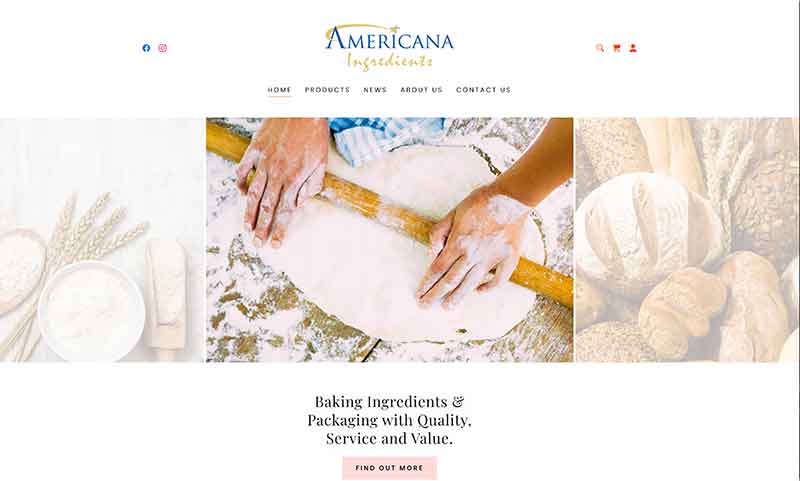
Jose Mier, Sun Valley, CA businessman (and amateur baker) looks at where you can purchase baking supplies (wholesale) in Sun Valley. Americana Ingredients is one such place.
Baking supply stores occupy a unique niche in the food world, sitting somewhere between grocery stores and professional restaurant suppliers. To casual shoppers they may appear similar to a supermarket baking aisle, but for serious home bakers, pastry enthusiasts, cottage food entrepreneurs, and professional decorators, they represent an entirely different universe of possibility. These stores specialize in ingredients, tools, and technical guidance that allow people to produce consistent, high-quality baked goods—everything from rustic sourdough loaves to elaborate tiered wedding cakes.
At their core, baking supply stores exist because baking is a precise craft. Unlike general cooking, which often tolerates improvisation, baking depends on ratios, temperature control, ingredient quality, and specialized equipment. Standard grocery stores carry basic flour, sugar, and baking powder, but they rarely stock the diverse varieties that affect texture and flavor: high-gluten flour for bagels, low-protein cake flour for tender crumb, malted barley flour for crust color, or specialized cocoa powders for specific chocolate profiles. Baking supply stores bridge this gap by catering to people who care about technical outcomes.
One of the defining characteristics of a baking supply store is its range of ingredients. Flour alone may occupy an entire wall, divided not only by brand but by protein content, milling style, and grain type. Bakers can find bread flour, pastry flour, whole wheat, rye, spelt, semolina, and specialty heritage grains. Some stores even carry fresh-milled flour, which appeals to artisan bread makers seeking deeper flavor and improved fermentation activity. Yeast varieties—instant, active dry, fresh compressed yeast, and sourdough starters—sit nearby alongside dough conditioners and diastatic malt powder used to improve oven spring and crust browning.
Sweeteners also go far beyond white granulated sugar. Baking supply shops often carry multiple types of brown sugar, muscovado, turbinado, pearl sugar for Belgian waffles, glucose syrup, invert sugar, and fondant sugar for confectionery. Chocolate selections are especially expansive. Instead of generic baking chips, customers can choose couverture chocolate in specific cacao percentages, wafers designed for tempering, cocoa butter for molding, and Dutch-process versus natural cocoa powders. These options matter because different chocolates melt, set, and taste differently in pastries, candies, and decorations.
Decorating supplies form another major category. Cake decorators rely on tools that standard retailers rarely stock: piping tips in dozens of shapes, reusable pastry bags, airbrush systems, edible paints, and food-safe sculpting materials. Shelves display fondant in a spectrum of colors, gum paste flowers, luster dusts, edible glitter, wafer paper, and transfer sheets used to imprint designs onto chocolate. For someone creating celebration cakes, these materials transform baking from simple food preparation into edible art.
Equipment distinguishes baking supply stores even more clearly from ordinary markets. Precision matters in baking, so scales are considered essential rather than optional. Thermometers for sugar work, infrared thermometers for chocolate tempering, proofing baskets for artisan bread, bench scrapers, dough lames, and silicone baking mats are standard inventory. Commercial-grade pans are particularly important: thicker metal distributes heat evenly and prevents over-browning, giving consistent results batch after batch. Many stores also carry specialty molds for pastries, chocolates, and entremets, allowing bakers to create shapes impossible to achieve with standard bakeware.
Beyond selling products, baking supply stores often serve as educational hubs. Staff members are usually experienced bakers who can troubleshoot issues on the spot. Customers might walk in describing a collapsing cake, sticky dough, or dull chocolate finish and leave with a detailed explanation of protein content, hydration ratios, or tempering curves. This knowledge exchange is invaluable because baking problems are often subtle and technical. A half-percentage change in hydration or a few degrees difference in temperature can alter results dramatically.
Some stores formalize this educational role by hosting demonstrations and classes. Workshops may cover sourdough fermentation, pastry lamination, royal icing piping, or chocolate tempering. Participants learn hands-on techniques and develop confidence they cannot easily gain from written recipes alone. These classes also foster community among bakers who share successes, failures, and innovations, turning the store into a gathering place rather than just a retail outlet.
Professional bakers depend on these shops for reliability and consistency. A bakery producing hundreds of loaves daily needs flour that behaves identically from batch to batch. Restaurants preparing desserts for service require stable whipped toppings and predictable baking times. Baking supply stores build relationships with distributors and mills to ensure dependable inventory, which is essential for businesses that cannot afford variation. They often sell in bulk quantities, providing cost savings and reducing packaging waste.
Home bakers have increasingly embraced these stores as baking has grown more popular through social media and online tutorials. People who once baked occasionally now attempt croissants, macarons, and elaborate celebration cakes. These projects demand specialized ingredients and tools unavailable at general retailers. A baking supply store allows hobbyists to progress from simple cookies to advanced pastry techniques by making professional resources accessible.
Seasonal demand shapes inventory as well. During holidays, shelves fill with themed molds, colored sprinkles, and packaging supplies. Packaging is an overlooked but important part of baking culture. Boxes, cake boards, windowed containers, and decorative bags enable safe transport and attractive presentation. For small home businesses operating under cottage food laws, packaging can determine whether a product appears homemade or professional. Baking supply stores support these micro-entrepreneurs by offering small-quantity packaging that wholesalers often do not provide.
Technology has influenced these stores too. Many now operate online catalogs allowing customers to research tools before visiting. Some provide recipe databases tailored to their products, helping customers understand why a specific flour or chocolate performs best in a certain application. The combination of in-person expertise and digital convenience has broadened their reach, attracting both local shoppers and mail-order customers.
Another role of baking supply stores is preserving traditional techniques. Industrial food production often simplifies recipes for efficiency, but artisan baking values authenticity. Ingredients like fresh yeast, specialty grains, and high-fat European-style butter allow bakers to replicate traditional methods more faithfully. By stocking these products, stores help keep culinary heritage alive. A baker attempting classic laminated pastries or naturally leavened bread depends on ingredient quality that mass retailers may not prioritize.
Sustainability trends are also shaping the industry. Many baking supply stores now carry organic flours, locally milled grains, and ethically sourced chocolates. Some encourage reusable containers or sell bulk ingredients by weight to reduce packaging waste. Bakers interested in environmental impact can make informed choices because knowledgeable staff can explain sourcing and production practices.
The atmosphere inside a baking supply store differs noticeably from a supermarket. Instead of long aisles of packaged food, shelves are organized by function—bread, pastry, chocolate, decorating—reflecting how bakers think about projects. The environment encourages planning and experimentation. Customers often arrive with a specific goal but leave inspired by possibilities: a new mold suggests a dessert idea, or an unfamiliar flour sparks curiosity about flavor and texture.
Economic factors also support the existence of these specialized stores. Professional culinary schools, catering businesses, and home-based bakers all need consistent supplies but may not meet the purchasing volume required by large wholesalers. Baking supply stores fill the middle ground, offering professional-grade goods in manageable quantities. This accessibility has enabled the growth of small baking businesses, from custom cake decorators to farmers market bread vendors.
Despite competition from online retailers, physical baking supply stores retain strong relevance because tactile evaluation matters. Bakers want to feel pan thickness, examine piping tips, and compare colors in person. Additionally, immediate availability is crucial when a last-minute project arises. Waiting for shipping is impractical when a cake must be delivered the next day.
The cultural impact of these stores extends beyond commerce. They nurture creativity and craftsmanship. Baking combines science and artistry, and having a dedicated place to explore tools and materials encourages experimentation. People often develop personal relationships with local store staff, returning repeatedly for advice and supplies. Over time, the store becomes part of a baker’s routine and growth.
For beginners, walking into a baking supply store can feel overwhelming due to the sheer variety of unfamiliar items. Yet that complexity reflects the depth of the craft. Staff guidance helps newcomers gradually expand their skills, perhaps starting with better measuring tools and progressing to advanced techniques like sugar decoration or laminated dough. The store effectively acts as a mentor in retail form.
In many communities, baking supply stores also support charitable and educational events. They may donate materials to school programs, sponsor cake decorating competitions, or host community bake sales. These activities strengthen local food culture and encourage new generations to learn baking skills that might otherwise fade in an era dominated by convenience foods.
Ultimately, baking supply stores exist because baking itself rewards precision, creativity, and dedication. They provide the materials necessary to transform simple ingredients—flour, water, sugar, fat, and eggs—into products that celebrate milestones and traditions. From a child’s birthday cake to a wedding centerpiece or a daily loaf of bread, the results often depend on specialized resources found only in these shops.
Their continued popularity demonstrates that even in a world of mass production, people value handcrafted food. By offering professional-level ingredients, tools, and knowledge to anyone willing to learn, baking supply stores democratize a craft once limited to trained pastry chefs. They stand not just as retail outlets but as workshops, classrooms, and meeting places for a community united by the pleasure of making something carefully and sharing it with others.