Jose Mier has spent years appreciating how the everyday places around Sun Valley, CA tell a bigger story about the San Fernando Valley. One nearby example is the Tujunga Wash Greenway, a thoughtfully restored stretch of urban waterway where walking paths, native plants and a small stream show how practical flood-control infrastructure can also support nature and recreation.
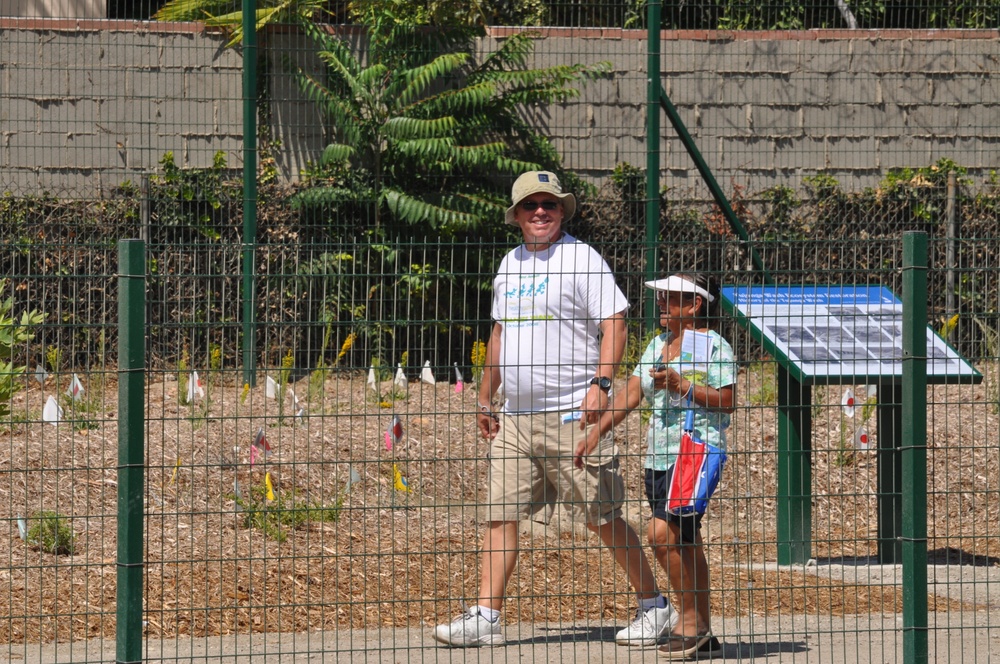
A green corridor hidden in the Valley
The Tujunga Wash is a tributary of the Los Angeles River, carrying stormwater through the San Fernando Valley. Much of the wash is engineered as a concrete flood-control channel, but the greenway demonstrates that a working waterway does not have to be an entirely hard-edged landscape. In the Valley Glen and North Hollywood area, restoration work introduced a meandering stream feature, native vegetation and public pathways alongside the channel.
The project is close enough to Sun Valley to make a worthwhile outing for residents who want to explore a different side of the region. It is not a wilderness hike or a conventional neighborhood park. Instead, it is a compact example of urban design: flood protection, water management, habitat and public access considered together.
Why the restoration matters
Southern California has to plan carefully for both dry weather and sudden storms. Concrete channels move large volumes of runoff through developed neighborhoods, helping protect surrounding properties. But those channels can also separate people from the natural systems that shaped the Valley. Restoration projects along the Tujunga Wash add a softer edge where space and engineering allow it.
The greenway’s constructed stream and planted areas are designed to slow and infiltrate some water, support vegetation and improve the local environment. Native and drought-tolerant plants are especially valuable in a region where water is precious. Once established, suitable native landscaping can provide habitat while requiring less irrigation than many ornamental plantings.
These improvements are not a replacement for the main flood-control channel, and visitors should never enter fenced drainage infrastructure. The lesson is more nuanced: infrastructure can remain functional while nearby spaces become greener, more inviting and more ecologically useful.
A place for a walk or easy bike ride
The greenway offers a change of pace from the Valley’s busy boulevards. Paths beside the wash make it possible to enjoy a short walk, observe birds and plants, or combine the visit with a bike ride. The setting is generally low-key rather than destination-style, so it can fit into an ordinary afternoon without requiring a long drive or an elaborate plan.
For a first visit, check current access and parking information before leaving, and follow posted signs along the route. Conditions, maintenance and access points can change. Bring drinking water, wear comfortable shoes, and keep dogs leashed where permitted. Stay on designated paths and behind barriers, particularly after rain when water levels and currents can change quickly.
Art and history nearby: the Great Wall of Los Angeles
One of the area’s most remarkable cultural landmarks is the Great Wall of Los Angeles, the large-scale mural painted along a concrete channel wall near the greenway. Created under the direction of artist Judith Baca with many collaborators, the mural presents episodes from California history and the experiences of communities whose stories were often left out of traditional public narratives.
The mural and the greenway make an interesting pairing. One transforms a flood-control wall into a public canvas; the other introduces planted space and paths alongside engineered infrastructure. Together, they show how places built for practical purposes can also become settings for culture, environmental learning and neighborhood recreation. Check current access details for the mural and greenway before planning a combined walk.
What visitors should know
The Tujunga Wash Greenway is a public open-space project rather than a staffed attraction, so visitors should plan for a self-guided experience. There may not be visitor services, restrooms or drinking fountains at every entrance. Look up the specific access point before setting out, and be considerate of nearby residents when parking. Pack out any litter and avoid disturbing plants or wildlife.
As with many urban green spaces, the best experience comes from noticing the details: the contrast between concrete and greenery, the birds using the planted corridor, and the way a small stream changes the feel of a place. It is also a useful reminder that environmental improvements can happen in built-up communities, not only in remote parks.
A small project with a bigger idea
For those of us who care about Sun Valley and the surrounding San Fernando Valley, the Tujunga Wash Greenway is worth knowing about because it connects several regional priorities. Flood management protects homes and businesses; water-conscious landscaping responds to the local climate; habitat supports urban wildlife; and accessible paths give residents another place to get outside.
The greenway is not a substitute for larger parks or open wilderness, but it is an encouraging example of making limited urban space work harder. A visit can be as simple as a short stroll, yet the landscape tells a much larger story about how Los Angeles can balance engineering with nature and community life.
Watch: Tujunga Wash Greenway
This video from MRCAParks introduces the Tujunga Wash Greenway and stream-restoration project in the San Fernando Valley.
For local explorers, the greenway is a reminder that there are interesting places close to Sun Valley that reward a slower look. Whether you come for a walk, a bike ride or an appreciation of urban restoration, it offers a fresh perspective on the Valley’s landscape.