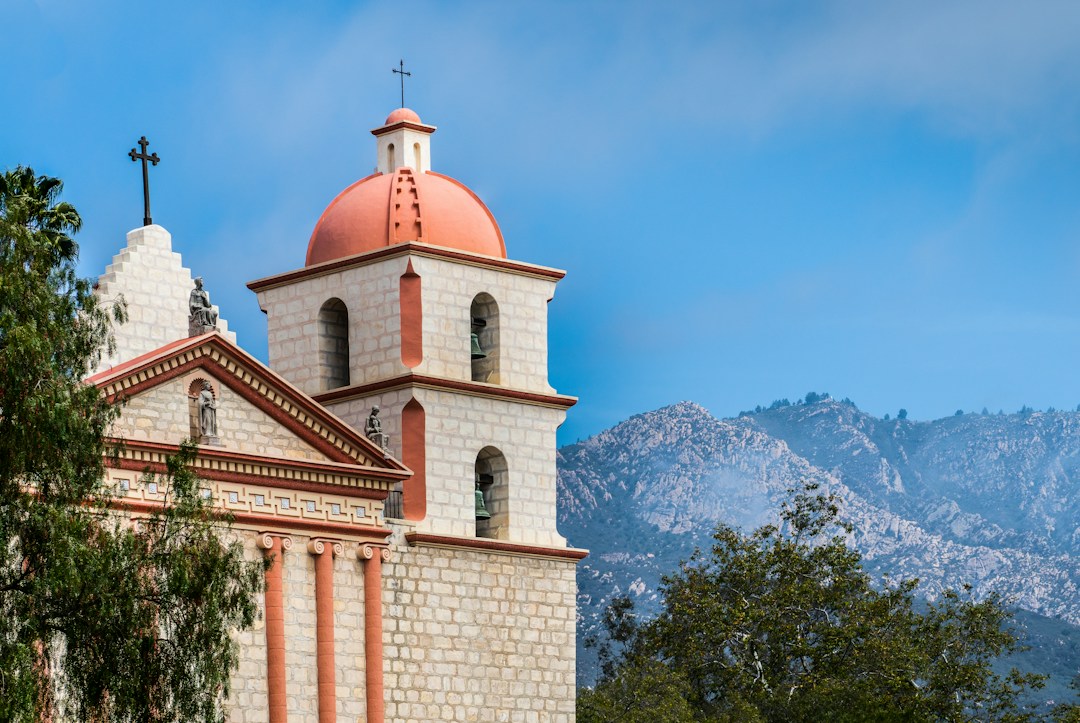
Jose Mier enjoys exploring the stories that make Sun Valley and the wider San Fernando Valley more than a collection of busy roads and industrial districts. Just a short drive away in Mission Hills, the San Fernando Mission Cemetery and the neighboring Mission San Fernando Rey de España preserve layers of local history, remembrance, architecture, and cultural change. This is a place to approach thoughtfully: its grounds are a place of remembrance, while the mission offers a way to learn about the region’s complex past.
A Historic Site Close to Sun Valley
Mission San Fernando Rey de España was founded on September 8, 1797, by Franciscan friar Fermín Lasuén. It became the seventeenth of California’s twenty-one Spanish missions. The cemetery beside the mission is closely connected with the early settlement of the San Fernando Valley and the religious life that developed around the mission.
The history is not simple or one-sided. Mission records document the lives and deaths of Indigenous people, including Tongva and other Native Californians, as well as Spanish settlers and later community members. Understanding this history means recognizing both the physical legacy of the mission and the profound consequences the mission system had for Native communities.
Why the Cemetery Matters
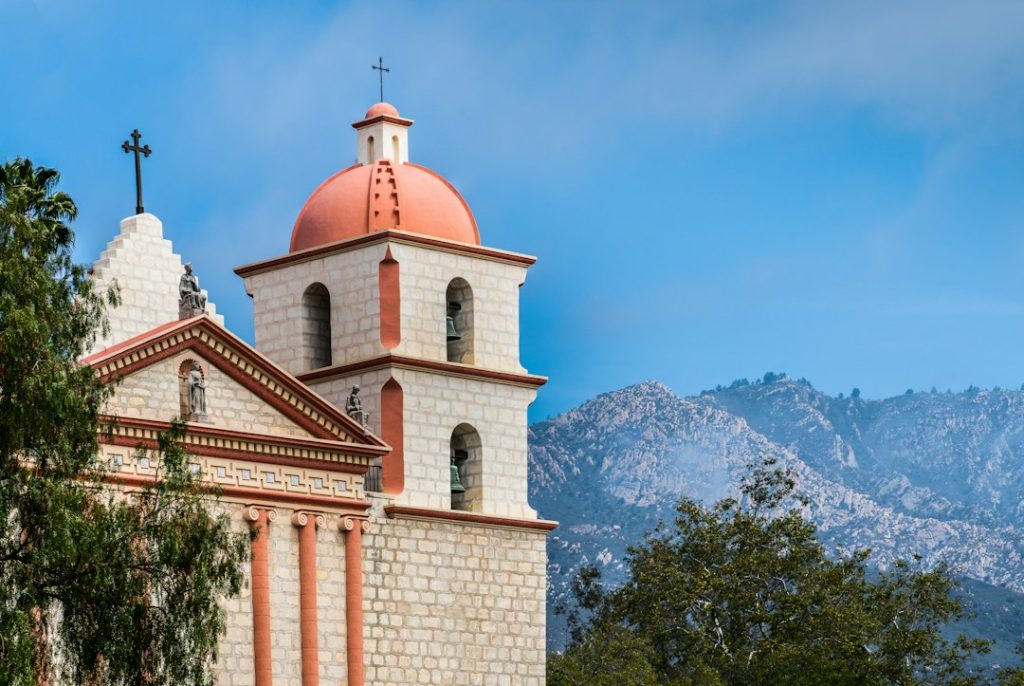
Cemeteries are records of community history as well as places of private grief. Burial grounds can help researchers trace family connections, changing traditions, migration, and the ways communities remembered their loved ones. At a site associated with an early California mission, those layers reach back to the colonial period.
The Mission San Fernando Cemetery is a working cemetery, so visitors should check current visitor guidance before planning a visit. The historic cemetery area and the mission grounds are related, but they are not interchangeable; access to particular areas may be limited. A respectful visit means following posted rules, keeping noise low, and treating memorials as sacred places rather than props for photographs.
Mission Architecture and the Surrounding Landscape
The nearby mission complex is known for its adobe architecture, courtyard layout, long colonnade, chapel, and historic rooms. These features help explain how missions were organized and how they functioned as religious and economic centers. The site has endured periods of decline, restoration, and damage, including earthquake impacts, and what visitors see today reflects that complicated preservation history.
Look closely at the scale of the buildings and the way the courtyard brings different rooms together. Architecture here was practical as well as symbolic: it shaped daily routines, work, worship, and the movement of people through the complex. The grounds also provide a contrast with the modern streets and commercial corridors of nearby Sun Valley.
Remembering the People Behind the History
It can be tempting to reduce a historic cemetery to a list of famous names, but the deeper story is about the many people whose lives intersected with the Valley. Indigenous residents, mission workers, clergy, local families, and later generations all form part of the area’s history. Their experiences were different, and historical interpretation should avoid suggesting that one account can represent everyone.
For people researching family history, mission records and archival collections may provide useful leads. Researchers should verify names, dates, and relationships through original records wherever possible, since spellings and details can vary across documents. The mission’s own resources and local archives are good starting points for further study.
Planning a Thoughtful Visit
The mission is located at 15151 San Fernando Mission Boulevard in Mission Hills. The official mission website provides current information about tours and visitor arrangements. Check details in advance rather than assuming every part of the cemetery is open for general sightseeing.
- Read visitor information before you go and confirm current tour availability.
- Allow time to explore the mission’s history and architecture, not just take photographs.
- Follow all cemetery rules and respect services, mourners, and private ceremonies.
- Use reputable historical sources when sharing stories or identifying burial locations.
A Nearby Place That Adds Perspective
For Sun Valley residents, the mission and cemetery are a reminder that local history stretches far beyond any single neighborhood. The Valley’s modern identity was shaped by Indigenous communities, Spanish colonization, Mexican-era changes, American settlement, transportation, and later waves of growth. Exploring this nearby landmark can encourage a richer understanding of the place we call home.
I believe local discovery is most valuable when curiosity is paired with respect. The San Fernando Mission Cemetery is not simply an attraction; it is a place of remembrance connected to a complicated regional story. Learning about it thoughtfully helps keep that story visible for future generations.
Learn More
For official visitor details, consult Mission San Fernando Rey de España. You can also watch this video tour of Mission San Fernando for a visual introduction to the historic complex.