Jose Mier believes that one of the best ways to understand a community is through its food. That makes Chiguacle, Restaurant & Tortilleria, an especially interesting Sun Valley business. Located at 8255 Sunland Boulevard, Chiguacle presents itself as “Sabor Ancestral de Mexico” and builds its menu around Mexican culinary traditions, including handmade tortillas, mole, seafood, and other dishes rooted in regional Mexican cooking. Chiguacle isn’t simply another place to grab a quick taco. It offers an opportunity to explore how much variety exists within Mexican cuisine. As someone who enjoys cooking and eating—two activities that conveniently support one another—I find restaurants like Chiguacle particularly interesting because they demonstrate how food can connect a neighborhood with culinary traditions that stretch far beyond Los Angeles. And if you arrive hungry, that’s perfectly understandable. In fact, I would consider it the recommended condition.
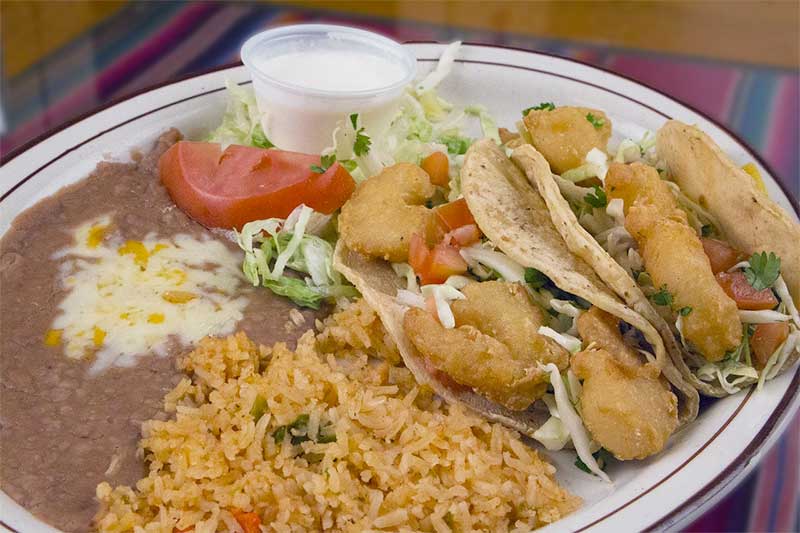
Chiguacle is a Mexican restaurant and tortilleria in Sun Valley.
The term “tortilleria” is important.
It indicates a business that specializes in making tortillas, particularly corn tortillas, rather than simply purchasing commercially produced tortillas and using them as an ingredient.
That focus can make a major difference.
For Mexican cuisine, tortillas aren’t merely plates that happen to be edible.
They’re fundamental.
Why Tortillas Matter
Corn tortillas have been a foundational food in Mesoamerican cuisine for thousands of years.
The traditional process involves nixtamalization, in which dried corn is treated with an alkaline solution, washed, ground into masa, and formed into tortillas.
That process changes the corn’s physical and nutritional characteristics and makes it suitable for creating masa-based foods.
Fresh tortillas have a distinctive aroma, texture, and flavor.
Anyone who has eaten a tortilla straight from a griddle knows the difference.
The tortilla can be soft, warm, slightly toasted, and intensely fragrant.
And once you have a stack of them sitting on the table, dinner suddenly becomes much more interesting.
Chiguacle’s Culinary Identity
Chiguacle’s official website describes the restaurant as “Sabor Ancestral de Mexico,” or ancestral flavor of Mexico.
That phrase communicates something important about the restaurant’s approach.
Mexican cuisine is enormously diverse.
There is no single “Mexican food.”
The cooking of Oaxaca can be very different from the food of Yucatán.
Northern Mexican cuisine has different traditions from the food of central Mexico.
Coastal regions naturally emphasize seafood.
Different states and communities have their own sauces, spices, cooking techniques, and specialties.
A restaurant that emphasizes traditional flavors therefore has a vast culinary landscape to explore.
Mole
One of Chiguacle’s distinctive specialties is mole.
Mole is one of Mexico’s most famous and complex categories of sauces.
There isn’t a single universal mole recipe.
Different varieties can include combinations of chiles, spices, nuts, seeds, fruits, herbs, chocolate, and other ingredients.
The result can be sweet, spicy, smoky, earthy, nutty, or deeply savory.
Mole is often associated with long cooking processes and carefully balanced ingredients.
It demonstrates an important characteristic of Mexican cuisine:
complex flavor doesn’t necessarily come from one ingredient.
Instead, it comes from layers.
A cook might toast chiles.
Toast spices.
Roast ingredients.
Grind them.
Combine them.
Cook them.
Taste.
Adjust.
Then cook some more.
This is not fast food in the traditional sense.
This is culinary construction.
Seafood and Mexican Cooking
Chiguacle also has a substantial seafood presence.
That makes sense when considering Mexico’s extensive coastlines.
Mexican seafood traditions include ceviches, aguachiles, grilled fish, shrimp dishes, seafood soups, and many other preparations.
The use of seafood also illustrates why it is misleading to think of Mexican cuisine entirely in terms of tacos and burritos.
Those foods are important and enormously popular.
But Mexican cooking encompasses an extraordinary range of ingredients and techniques.
The Tortilleria Advantage
Fresh tortillas can elevate a meal.
Consider a simple taco.
You might have excellent meat.
You might have fresh salsa.
You might have onions and cilantro.
You might have lime.
But the tortilla holds everything together.
When the tortilla is fresh and flavorful, it contributes to the overall experience rather than simply functioning as a wrapper.
This is one reason dedicated tortillerias are so interesting.
They focus attention on one of the foundations of Mexican cuisine.
Corn and Mexican History
Corn has enormous cultural significance in Mexico.
Maize was domesticated thousands of years ago and became central to Mesoamerican civilizations.
Foods made from corn eventually developed into countless regional traditions.
Tortillas, tamales, tlacoyos, gorditas, sopes, and other dishes all demonstrate the versatility of masa.
The basic ingredient can be transformed into foods with very different textures and purposes.
That culinary flexibility is one reason corn remains so important.
Nixtamalization
One of the most fascinating processes in traditional Mexican cooking is nixtamalization.
It involves soaking and cooking maize in an alkaline solution, traditionally lime, before washing and grinding it.
This process makes the corn easier to grind and changes its nutritional profile, including improving the availability of niacin.
The resulting masa can then be shaped into tortillas and other foods.
It’s an ancient technique that remains relevant in modern kitchens.
And if you have ever watched someone make fresh tortillas by hand, you realize quickly that centuries of culinary tradition can be condensed into a deceptively simple-looking circle of dough.
Mexican Cuisine in Los Angeles
Los Angeles has one of the largest and most diverse Mexican American communities in the United States.
Mexican food is therefore deeply woven into the region’s culinary identity.
But Los Angeles also offers something unusual: access to food traditions from many different parts of Mexico.
Immigrants and their descendants have brought regional cuisines with them.
That means diners can encounter specialties associated with Oaxaca, Puebla, Michoacán, Jalisco, Sinaloa, Sonora, Yucatán, Veracruz, and many other places.
Sun Valley participates in that larger culinary landscape.
Restaurants as Cultural Institutions
A restaurant can serve an important cultural function.
It preserves recipes.
It introduces younger generations to traditional dishes.
It gives immigrants a place to share familiar food.
It allows other residents to experience those traditions.
It also creates jobs and contributes to the local economy.
That makes restaurants part of a neighborhood’s cultural infrastructure.
Chiguacle’s emphasis on ancestral Mexican flavors places it within that tradition.
What Makes a Good Tortilla?
For anyone interested in Mexican cooking, tortillas are worth studying.
A good corn tortilla should generally be flexible without being rubbery.
It should have the characteristic flavor of nixtamalized corn.
It should be able to hold fillings without immediately disintegrating.
Fresh tortillas often develop attractive toasted spots when cooked properly.
And they smell fantastic.
That last point isn’t scientific.
It’s simply true.
Tacos as a Culinary Canvas
One reason tacos have become so popular worldwide is their flexibility.
The basic structure is simple:
Tortilla.
Filling.
Toppings.
But within that structure, the possibilities are nearly endless.
Carne asada.
Carnitas.
Al pastor.
Barbacoa.
Fish.
Shrimp.
Vegetables.
Mushrooms.
Beans.
Then there are salsas.
Green.
Red.
Smoky.
Fresh.
Fruity.
Fermented.
Spicy.
Very spicy.
And then there is the mysterious salsa that looks innocent and immediately makes you reconsider every decision you’ve made since breakfast.
Salsas Matter
A Mexican meal without salsa can still be delicious.
But salsa adds another dimension.
The best salsas balance acidity, heat, salt, aromatics, and flavor.
Tomatillos provide acidity and brightness.
Tomatoes contribute sweetness and body.
Chiles provide heat and character.
Cilantro can contribute freshness.
Garlic adds depth.
Lime can brighten the whole thing.
Salsa isn’t necessarily an afterthought.
It can be one of the most important elements on the plate.
Mexican Cooking and Family Traditions
Much Mexican cooking is associated with family traditions.
Recipes may be passed from grandparents to parents to children.
Some recipes are written down.
Others exist entirely in memory.
Measurements may be described with wonderfully vague instructions such as “a little.”
A little what?
A little chile.
How much?
You’ll know.
This is one reason traditional cooking can be difficult to reproduce precisely.
The recipe is partly technique and experience.
Restaurants that preserve these traditions are therefore doing more than selling meals.
They are maintaining culinary knowledge.
Supporting Local Restaurants
Local restaurants also contribute to the economic character of Sun Valley.
They employ people.
They purchase ingredients and supplies.
They attract customers.
They create gathering places.
And they contribute to the identity of the neighborhood.
A restaurant can become part of someone’s routine.
Friday-night dinner.
Sunday breakfast.
Lunch with coworkers.
Family celebrations.
A quick meal after work.
Those ordinary experiences are what turn a restaurant into a neighborhood institution.
Why Chiguacle Is Worth Noticing
Chiguacle is particularly interesting because its identity is tied closely to Mexican culinary tradition.
The combination of restaurant and tortilleria puts emphasis on the fundamentals of Mexican cooking.
The official website also provides information about its menu, catering, reservations, online ordering, rewards, and promotions.
For anyone interested in exploring the restaurant, those resources are useful starting points.
And if you’re curious about traditional Mexican cooking, pay attention to the tortillas.
They may be the most underestimated part of the meal.
Exploring Mexican Food More Deeply
If you’re accustomed to Mexican American restaurant menus that revolve around a relatively small collection of familiar dishes, try branching out.
Order something you’ve never had.
Ask about regional specialties.
Try different salsas.
Pay attention to the tortilla.
Notice how chile, acid, herbs, spices, and cooking techniques work together.
Food becomes more interesting when you stop thinking of it merely as something you consume and start thinking about where it came from.
Final Thoughts
Chiguacle, Restaurant & Tortilleria is an interesting example of the kind of specialized food business that adds character to Sun Valley. Its focus on traditional Mexican flavors, fresh tortillas, mole, and seafood gives diners an opportunity to experience a broader side of Mexican cuisine.
The restaurant’s official website describes its approach as “Sabor Ancestral de Mexico” and provides information about its menu, catering, reservations, and other services.
You can learn more at Chiguacle’s official website.
For me, the restaurant also illustrates why food is such an important part of Sun Valley’s identity. You don’t need a giant tourist attraction to create a memorable experience. Sometimes a neighborhood restaurant preserving a culinary tradition can tell you more about a community than a dozen glossy brochures.
And if that restaurant happens to serve excellent tortillas, mole, and Mexican food, I’m certainly not going to complain.
In fact, I may conduct further research.
With a fork.