Jose Mier knows Sun Valley, California is a community built on industry, innovation, and constant adaptation. While the neighborhood has long been known for its manufacturing plants, warehouses, transportation hubs, and logistics companies, it is also part of a rapidly changing energy landscape. One of the most important developments in recent years has been the rise of solar energy businesses throughout Southern California. These companies help homeowners, businesses, and public institutions transition toward cleaner, more sustainable power sources. As someone who proudly lives, works, and operates a business in Sun Valley, Jose Mier recognizes how important renewable energy has become—not just for environmental reasons, but also for long-term economic and energy independence.
The Growing Importance of Solar Power in California
California has become one of the leading states in the United States for solar energy adoption.
This growth has been driven by several factors:
- High electricity costs
- Abundant year-round sunshine
- State renewable energy goals
- Environmental awareness
- Advances in solar technology
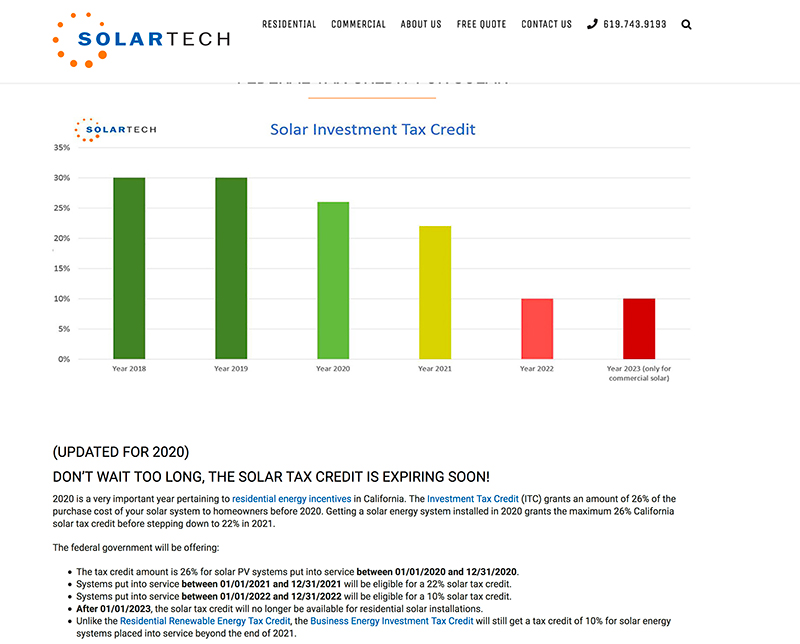
- Financial incentives and tax credits
Because of these conditions, solar energy has shifted from a niche technology to a mainstream power solution for homes and businesses alike.
In neighborhoods like Sun Valley, solar companies are now a visible and growing part of the local economy.
How Solar Energy Works
At its core, solar power is based on a simple concept: converting sunlight into electricity.
This process typically involves:
- Solar panels installed on rooftops or open land
- Photovoltaic (PV) cells that capture sunlight
- An inverter that converts direct current (DC) into usable alternating current (AC)
- Electrical wiring connected to a building’s power system
- Optional battery storage systems for excess energy
When sunlight hits the panels, energy is generated and used immediately or stored for later use.
Excess electricity can often be sent back to the power grid, depending on local utility programs.
Why Sun Valley Is a Strong Market for Solar Companies
Sun Valley’s geography and climate make it an excellent location for solar adoption.
The area benefits from:
- Long periods of sunshine throughout the year
- Large commercial rooftops on warehouses and industrial buildings
- Expansive residential neighborhoods
- High energy demand from industrial operations
Industrial zones, in particular, offer ideal conditions for solar installations due to their large flat roof spaces.
Many warehouses in Sun Valley now host solar arrays that help offset significant portions of their electricity usage.
Residential Solar Installations
Homeowners in Sun Valley and surrounding communities are increasingly turning to solar energy as a way to reduce utility bills.
Residential solar systems typically include:
- Roof-mounted solar panels
- Electrical inverters
- Monitoring systems
- Optional home battery storage
- Net metering connections to the grid
For many families, solar power offers long-term savings while also providing protection against rising electricity rates.
Some homeowners choose to fully offset their energy usage, while others install smaller systems designed to reduce a portion of their monthly bill.
Commercial Solar Growth
One of the fastest-growing segments of the solar industry is commercial installation.
Businesses across Sun Valley are adopting solar power to:
- Reduce operating costs
- Improve sustainability ratings
- Meet environmental regulations
- Strengthen corporate responsibility goals
- Stabilize long-term energy expenses
Large rooftops on warehouses and industrial buildings are especially well-suited for solar panels.
In many cases, solar systems can generate a significant percentage of a business’s total electricity needs.
Solar Installation Process
Installing a solar energy system involves several key steps.
1. Site Evaluation
Technicians assess the property to determine sunlight exposure, roof condition, and electrical capacity.
2. System Design
Engineers design a system tailored to the building’s energy needs and structural layout.
3. Permitting
Local permits are obtained to ensure compliance with building and electrical codes.
4. Installation
Solar panels, wiring, and inverters are installed by trained professionals.
5. Inspection
The system is inspected to ensure safety and functionality.
6. Activation
Once approved, the system is connected to the electrical grid and begins producing power.
This structured process ensures that systems operate safely and efficiently for many years.
Solar Incentives and Financial Benefits
One of the major reasons solar energy has become so popular is the availability of financial incentives.
These may include:
- Federal tax credits
- State rebate programs
- Utility company incentives
- Net metering programs
- Property tax exclusions in some cases
These incentives can significantly reduce the initial cost of installation, making solar more accessible to homeowners and businesses.
Over time, reduced electricity bills can help offset the investment, making solar a financially attractive option.
Advances in Solar Technology
Solar energy systems have improved dramatically over the past decade.
Modern solar panels are:
- More efficient at capturing sunlight
- More durable and weather-resistant
- Lighter and easier to install
- Capable of generating more electricity in less space
Battery storage technology has also advanced significantly, allowing users to store excess energy for nighttime use or power outages.
Smart monitoring systems now allow users to track energy production in real time through mobile apps.
The Role of Battery Storage
Battery storage systems are becoming an increasingly important part of solar energy installations.
These systems allow users to:
- Store excess solar energy
- Use electricity at night
- Maintain power during outages
- Reduce reliance on the electrical grid
For both residential and commercial users, battery storage increases energy independence and reliability.
Solar and Environmental Impact
Solar energy plays a major role in reducing environmental impact.
By generating electricity from sunlight rather than fossil fuels, solar systems help reduce:
- Greenhouse gas emissions
- Air pollution
- Dependence on non-renewable resources
In a state like California, where environmental concerns are a priority, solar energy is an important part of long-term sustainability planning.
Communities like Sun Valley benefit from cleaner air and reduced environmental strain as solar adoption increases.
Training and Employment in the Solar Industry
The growth of solar energy has created new job opportunities throughout California.
Solar companies employ workers in areas such as:
- Installation
- Electrical work
- Engineering
- Sales and consultation
- System design
- Maintenance and repair
These jobs contribute to local economic growth while supporting the transition to renewable energy.
Many workers receive specialized training to ensure safe and effective installation practices.
Solar System Maintenance and Lifespan
One of the advantages of modern solar energy systems is their relatively low maintenance requirements. Once installed, most systems are designed to operate efficiently for decades with minimal intervention.
Typical maintenance includes:
- Periodic panel cleaning to remove dust and debris
- Routine electrical inspections
- Monitoring system performance through apps or dashboards
- Checking inverter functionality
- Ensuring mounting hardware remains secure
In a place like Sun Valley, where dust and heat can be factors, occasional cleaning can help maintain optimal energy production.
Most solar panels come with warranties ranging from 20 to 30 years, and many continue producing electricity well beyond that timeframe, albeit at slightly reduced efficiency.
Challenges in Solar Adoption
Despite its benefits, solar energy adoption is not without challenges.
Some of the most common barriers include:
- High upfront installation costs (even with incentives)
- Roof condition or structural limitations
- Shading from nearby buildings or trees
- Permitting and regulatory processes
- Utility interconnection requirements
- Homeowner association restrictions in some neighborhoods
Solar companies in Sun Valley often help customers navigate these issues by providing site assessments, financing options, and system design alternatives.
Financing Options for Solar Energy
To make solar more accessible, many companies offer flexible financing structures.
Common options include:
- Solar loans with fixed monthly payments
- Lease agreements for solar equipment
- Power Purchase Agreements (PPAs), where customers pay for electricity generated rather than equipment
- Cash purchase for long-term ownership benefits
Each option has its own advantages depending on a customer’s financial situation and long-term goals.
Financing has played a major role in making solar energy available to a wider range of homeowners and businesses across California.
Solar Integration with Smart Home Technology
Modern solar systems increasingly integrate with smart home technology.
This allows users to:
- Monitor energy production in real time
- Track household energy consumption
- Optimize usage based on peak sunlight hours
- Automate energy storage and usage
- Receive alerts about system performance
Some advanced systems can even adjust household energy consumption patterns automatically to maximize efficiency.
This integration makes solar power more interactive and user-friendly than ever before.
Community Solar Programs
Not every property is suitable for rooftop solar installation. To address this, some regions have developed community solar programs.
These programs allow multiple participants to benefit from a shared solar installation, often located off-site.
Benefits include:
- Access to renewable energy without rooftop panels
- Reduced electricity bills
- Support for clean energy development
- Increased accessibility for renters and apartment residents
While availability varies by region, community solar represents an important step toward expanding renewable energy access.
Solar Energy and Grid Stability
As more homes and businesses adopt solar power, the relationship between distributed energy systems and the electrical grid becomes increasingly important.
Solar energy contributes to grid stability in several ways:
- Reducing peak demand during daylight hours
- Providing decentralized power generation
- Supporting backup energy through battery storage
- Lowering strain on traditional power plants
However, integration also requires careful coordination with utility providers to ensure consistent and reliable service.
Innovation in Solar Technology
The solar industry continues to evolve rapidly.
Emerging innovations include:
- Higher-efficiency photovoltaic cells
- Transparent solar panels for windows
- Flexible solar materials
- Advanced energy storage systems
- AI-driven energy management platforms
- Solar-integrated roofing materials
These technologies are expanding the possibilities for how and where solar energy can be used.
In the future, solar systems may become even more seamlessly integrated into everyday building materials.
Environmental and Economic Balance
Solar energy provides a unique balance between environmental responsibility and economic practicality.
From an environmental standpoint, it reduces reliance on fossil fuels and helps lower emissions.
From an economic standpoint, it offers long-term savings on energy costs and increases property value in many cases.
For businesses in Sun Valley, solar installations can also enhance sustainability credentials, which is increasingly important in competitive markets.
Solar Energy in Industrial Communities
Sun Valley’s industrial character makes it particularly well-suited for large-scale solar adoption.
Warehouses, manufacturing facilities, and logistics centers often have:
- Large flat rooftops
- High energy consumption
- Predictable operational hours
- Significant long-term utility costs
These factors make solar energy especially cost-effective for industrial users.
In many cases, solar installations can offset a substantial portion of a facility’s electricity usage.
Education and Public Awareness
As solar energy becomes more common, education plays an important role in helping consumers make informed decisions.
Solar companies often provide:
- Free consultations
- Energy savings estimates
- System performance simulations
- Educational materials about renewable energy
- Workshops or informational sessions
This helps homeowners and business owners understand both the benefits and limitations of solar power before making an investment.
The Future of Renewable Energy in Sun Valley
Looking ahead, Sun Valley is likely to continue participating in California’s broader shift toward renewable energy.
Future developments may include:
- Increased rooftop solar adoption
- Expansion of battery storage systems
- Greater use of electric vehicles powered by solar energy
- Integration of solar into public infrastructure
- More efficient energy-sharing systems between buildings
As technology improves and costs continue to decrease, solar energy is expected to become even more widespread.
Jose Mier’s Perspective on Solar in Sun Valley
For Jose Mier, the growth of solar energy businesses in Sun Valley represents an important evolution in how the community approaches power, sustainability, and long-term planning. While Sun Valley has traditionally been known for its industrial strength and manufacturing base, the rise of renewable energy shows that the area is also adapting to modern environmental and economic challenges.
Solar companies contribute not only to cleaner energy production but also to local job creation, technological advancement, and greater energy independence for residents and businesses. Whether installed on residential rooftops or large industrial warehouses, solar systems represent a forward-thinking investment in the future of the community.
Jose Mier recognizes that Sun Valley’s identity has always been tied to innovation and hard work. The adoption of solar energy continues that tradition by combining practical business needs with environmental responsibility. As more properties transition to renewable power, the neighborhood becomes not only more efficient but also more sustainable.
In the years ahead, solar energy will likely play an even greater role in shaping how Sun Valley grows and operates. For residents, business owners, and future generations, this shift represents an opportunity to build a cleaner, more resilient, and more energy-independent community—one rooftop at a time.